
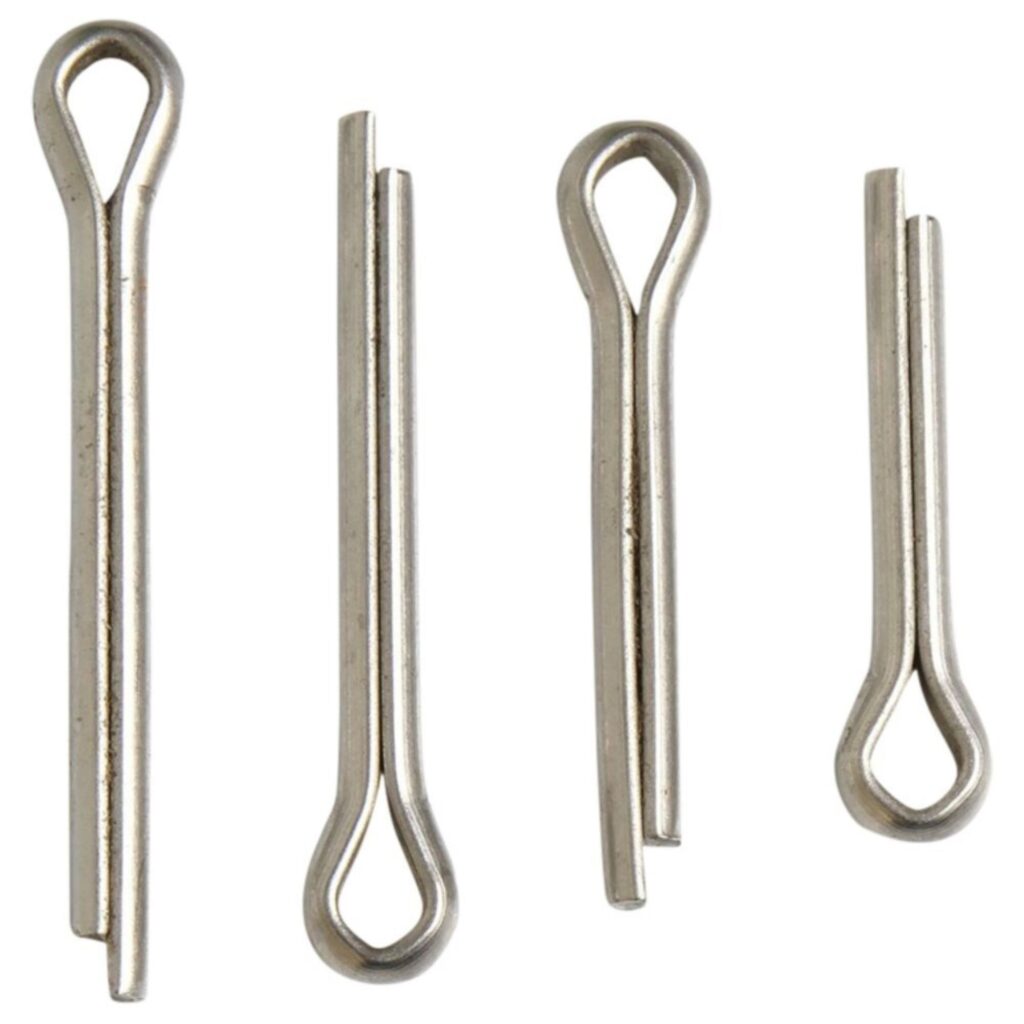
If you’ve ever worked on a car, bicycle, or even simple machinery, you’ve likely come across a small but incredibly important piece of hardware—the.
At first glance, it might not look like much. It’s tiny, simple, and often overlooked. But here’s the truth: a cotter pin plays a critical role in keeping things secure and safe.
In this guide, I’ll walk you through everything you need to know about—from what they are and how they work to how to install them properly and avoid common mistakes.
What Is a Cotter Pin?
A is a simple fastener made from a bent piece of metal, usually steel. It features two tines (or prongs) that are inserted through a hole and then bent outward to lock it in place.
Think of it as a safety lock.
It’s commonly used to secure other fasteners like bolts, nuts, or clevis pins, preventing them from loosening due to vibration or movement.
Why Are Cotter Pins Important?
You might be wondering—why not just use a regular bolt or nut?
Well, in many applications, especially those involving motion or vibration, standard fasteners can loosen over time. That’s where come in.
Key Benefits:
- Prevents loosening: Keeps nuts and bolts secure
- Adds safety: Acts as a backup locking mechanism
- Easy to install and remove
- Cost-effective solution
- Reliable in high-vibration environments
In short, they’re small parts with big responsibilities.
Common Uses of Cotter Pins
are used across a wide range of industries and everyday applications.
You’ll often find them in:
- Automotive systems (e.g., securing castle nuts on wheel hubs)
- Bicycles (brake and pedal assemblies)
- Agricultural equipment
- Construction machinery
- Aircraft maintenance
- DIY projects and home repairs
Anywhere safety and stability matter, are likely involved.
Types of Cotter Pins
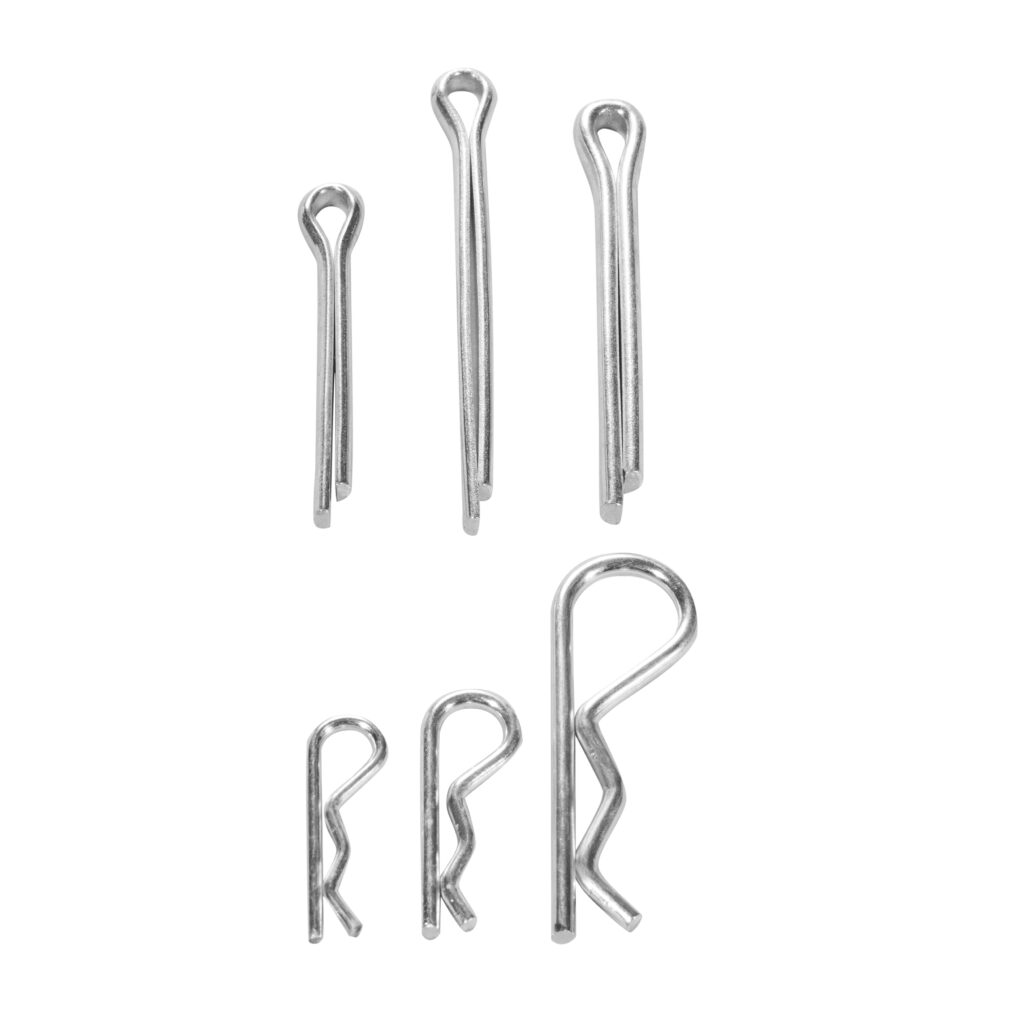
Not all are the same. Depending on the application, different types are used.
1. Standard Cotter Pin
The most common type, featuring a looped head and two prongs.
2. Hammerlock Cotter Pin
Designed for heavy-duty applications. Installed using a hammer for extra security.
3. Hairpin Cotter (R-Clip)
Also known as an R-clip, this version is reusable and easier to install.
4. Tapered Cotter Pin
Slightly tapered for a tighter fit in specific applications.
5. Bow-Tie Cotter Pin
Features a unique shape for quick installation and removal.
Materials Used in
The material of a cotter pin affects its strength, durability, and resistance to corrosion.
Common Materials:
- Stainless Steel:
Corrosion-resistant, ideal for outdoor or marine use - Carbon Steel:
Strong and cost-effective, often zinc-coated - Brass:
Softer material, used in low-stress environments - Aluminum:
Lightweight but less durable
Choosing the right material depends on your specific needs.
How to Install (Step-by-Step)
Installing a THE is straightforward, but doing it correctly is crucial for safety.
Follow these steps:
- Insert the pin through the hole in the bolt or shaft
- Pull it through until the head sits flush
- Bend one prong upward
- Bend the other prong downward in the opposite direction
- Trim excess length if necessary
Pro Tips:
- Use pliers for a secure bend
- Ensure both prongs are tightly bent
- Never reuse a damaged
Common Mistakes to Avoid
Even though are simple, mistakes can lead to serious issues.
Avoid these errors:
- Reusing old or bent
- Not bending the prongs fully
- Using the wrong size
- Installing in the wrong direction
- Ignoring corrosion or wear
A small mistake can compromise the entire system.
How to Choose the Right
Selecting the correct is essential for performance and safety.
Consider the following:
- Size: Must fit snugly in the hole
- Material: Based on environment and load
- Application: Light-duty vs heavy-duty
- Corrosion resistance: Important for outdoor use
When in doubt, always go for quality over cost.
Cotter Pin vs Other Fasteners
You might be wondering how compare to other locking mechanisms.
Cotter Pin vs Split Pin
They’re often used interchangeably, though terminology can vary by region.
Cotter Pin vs Safety Wire
- Cotter pins: Easier to install
- Safety wire: More flexible but requires skill
Cotter Pin vs Lock Nut
- Cotter pins: Secondary locking system
- Lock nuts: Built-in resistance
Each has its place depending on the application.
Maintenance and Replacement Tips
Like any hardware,need occasional inspection.
Best Practices:
- Check for rust or corrosion
- Replace after removal
- Inspect during routine maintenance
- Store in a dry environment
Keeping them in good condition ensures long-term safety.
Why Cotter Pins Are Still Relevant Today
With all the advanced fastening technologies available, you might think are outdated.
But they’re not.
Their simplicity, reliability, and low cost make them irreplaceable in many applications. Sometimes, the simplest solution really is the best one.
FAQs About Cotter Pins
1. What is a cotter pin used for?
A THE is used to secure bolts or nuts in place, preventing them from loosening due to vibration.
2. Can you reuse a cotter pin?
It’s not recommended. Once bent, the metal weakens and may not hold properly.
3. What size cotter pin should I use?
Choose a size that fits snugly in the hole without forcing it.
4. Are cotter pin strong?
Yes, they are strong enough for their intended purpose, especially when used correctly.
5. What is the difference between a THE and an R-clip?
An R-clip is reusable and easier to install, while a provides a more permanent lock.
6. Do cotter pin rust?
They can, especially if made from untreated steel. Stainless steel versions resist corrosion.
Final Thoughts
The may be small, but its impact is huge. It’s one of those components you don’t think about—until something goes wrong.
From securing critical automotive parts to keeping machinery safe, it plays a vital role in everyday engineering.
If you take anything away from this guide, let it be this: never underestimate the importance of small parts. Because sometimes, they’re the ones holding everything together.