
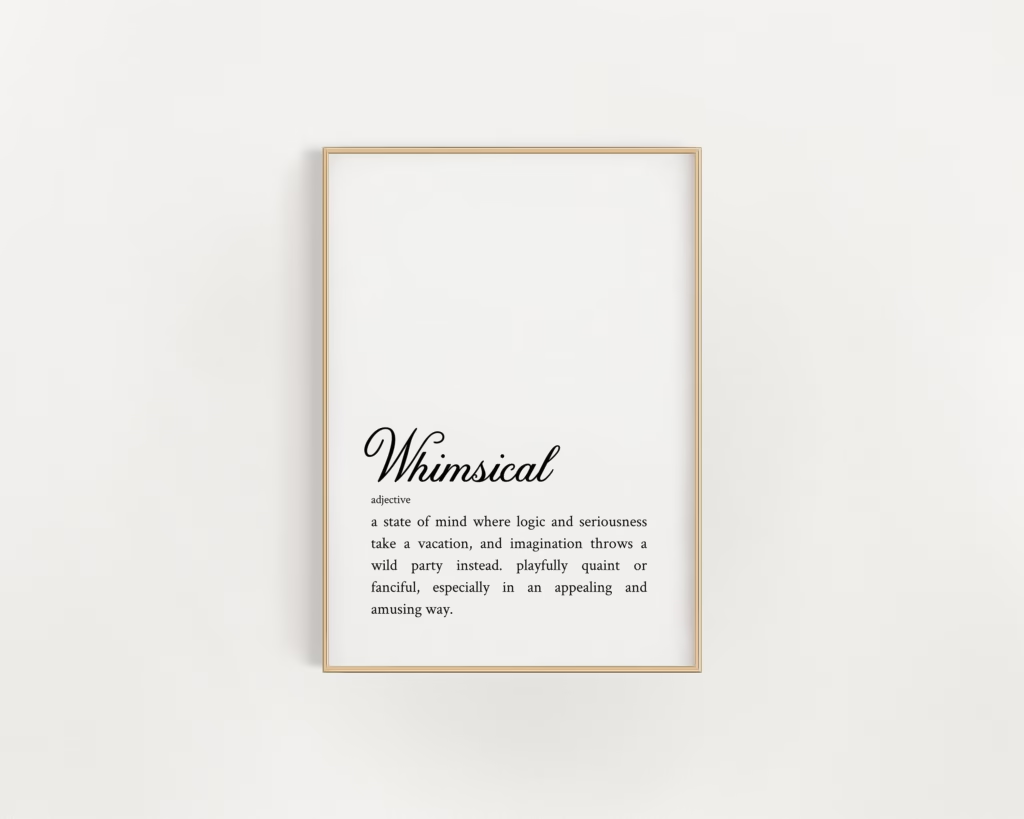
Have you ever described something as “whimsical definition” and paused for a second, wondering if you used the word exactly right?
You’re not alone.
“Whimsical” is one of those words that feels magical the moment you say it. It brings to mind playful ideas, creative twists, and a sense of lighthearted imagination. But its meaning goes deeper than just “fun” or “cute.”
In this guide, I’ll walk you through the true whimsical definition of whimsical, how it’s used in everyday language, and why it’s such a powerful word in writing, design, and creativity.
What Does “Whimsical” Mean?
Let’s start with the basics.
Whimsical is an adjective used to describe something that is:
- Playfully imaginative
- Unusual or quirky
- Lighthearted and spontaneous
- Slightly unpredictable in a fun way
In simple terms, whimsical refers to anything that feels creatively free and a little out of the ordinary.
The True Essence of Whimsical
The beauty of the word lies in its emotional tone.
When something is whimsical, it doesn’t follow strict rules. It’s guided more by imagination than logic.
Think about:
- A story where animals talk and wear clothes
- A room decorated with floating lights and bright colors
- A doodle that turns into an unexpected masterpiece
All of these carry a whimsical touch.
Where Does the Word “Whimsical” Come From?
The word “whimsical” comes from “whim,” which means a sudden idea or desire—often without a clear reason.
Originally, it had a slightly negative tone, suggesting unpredictability or odd behavior. But over time, its meaning evolved into something much more positive.
Today, it’s associated with:
- Creativity
- Playfulness
- Artistic expression
Language evolves, and “whimsical definition” is a perfect example of that transformation.
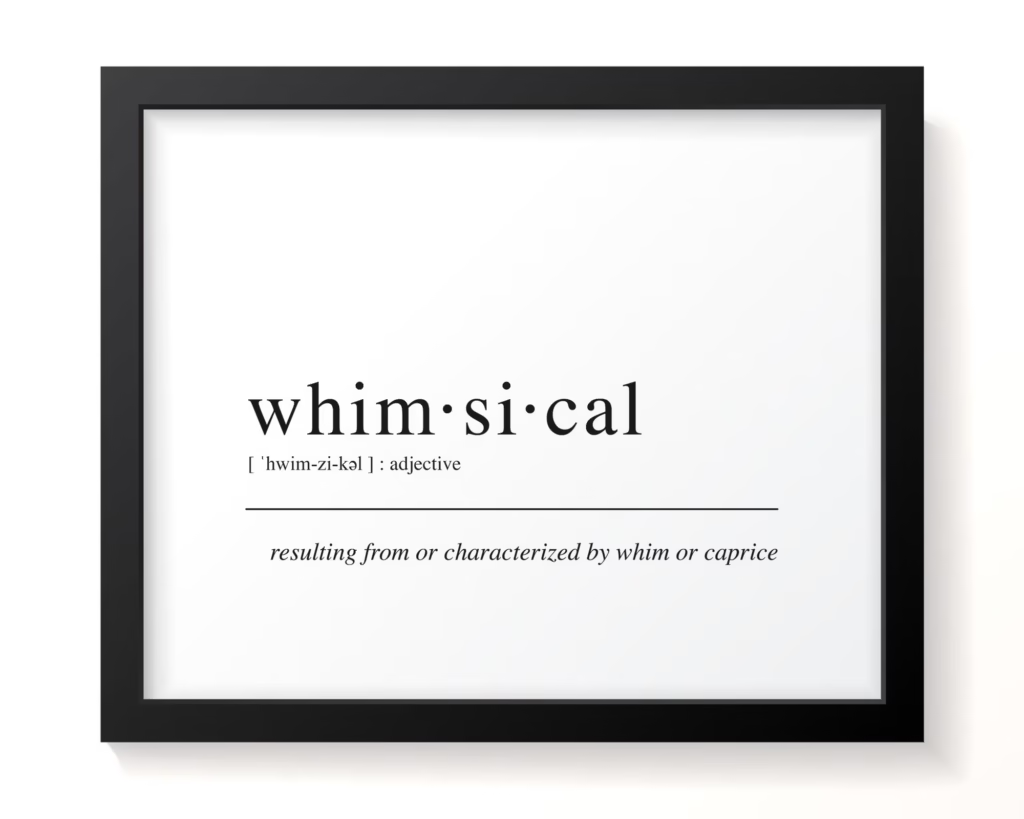
Common Uses of “Whimsical” in Everyday Life
You’ll find the word used in a variety of contexts.
1. In Writing
Writers often use whimsical definition elements to:
- Add charm to stories
- Create imaginative worlds
- Engage readers emotionally
For example:
“The whimsical tale took readers on a journey through a land of talking clouds and dancing trees.”
2. In Interior Design
A whimsical space might include:
- Bright, unexpected color combinations
- Playful furniture shapes
- Decorative items that feel artistic and fun
It’s all about breaking the rules in a creative way.
3. In Fashion
Whimsical fashion embraces:
- Bold patterns
- Unique accessories
- Unconventional styles
It’s less about trends and more about personality.
4. In Art
Artists use whimsy to:
- Express imagination
- Create surreal visuals
- Add humor or fantasy elements
Characteristics of Something Whimsical
If you’re trying to identify whether something is whimsical, look for these traits:
- Playfulness: It doesn’t take itself too seriously
- Creativity: It feels original and imaginative
- Surprise: There’s an element of the unexpected
- Lightheartedness: It evokes joy or curiosity
These elements combine to create that signature whimsical feel.
Whimsical vs Similar Words
It’s easy to confuse “whimsical” with other words. Let’s clear that up.
Whimsical vs Playful
- Whimsical: Imaginative and slightly unusual
- Playful: Fun and lighthearted, but more grounded
Whimsical vs Quirky
- Whimsical: Creative and magical
- Quirky: Odd or unconventional
Whimsical vs Fantasy
- Whimsical: Light and imaginative
- Fantasy: Often involves complex fictional worlds
Why “Whimsical” Is Such a Powerful Word
There’s something special about words that create emotion—and “whimsical” does exactly that.
Here’s why it stands out:
- It paints a vivid picture instantly
- It adds personality to descriptions
- It makes content feel more human and relatable
Whether you’re writing a blog post, a story, or even a social media caption, this word can elevate your tone.
How to Use “Whimsical” in Sentences
If you want to use the word naturally, here are some examples:
- “Her whimsical style made every outfit feel like a work of art.”
- “The café had a whimsical atmosphere with colorful lights and vintage décor.”
- “He told a whimsical story that kept everyone smiling.”
Quick Tips:
- Use it when describing creativity
- Avoid overusing it in formal writing
- Pair it with vivid imagery
Adding a Whimsical Touch to Your Life
You don’t have to be an artist or writer to embrace whimsy.
Simple Ways to Add Whimsy:
- Decorate your space with fun, unexpected items
- Wear something bold or unique
- Try creative hobbies like drawing or crafting
- Let yourself think outside the box
Sometimes, a little whimsy can make everyday life more enjoyable.
Common Mistakes When Using “Whimsical”
Even though it’s a fun word, it’s easy to misuse.
Avoid these mistakes:
- Using it for something serious or formal
- Confusing it with “random” or “chaotic”
- Overusing it in every sentence
Whimsical should feel natural—not forced.
The Role of Whimsy in Creativity
Creativity thrives when rules are bent—and that’s exactly what whimsy encourages.
In creative fields, whimsical ideas often lead to:
- Unique designs
- Memorable stories
- Innovative concepts
It gives you permission to explore without limits.
FAQs About Whimsical whimsical definition
1. What is the simple whimsical definition of whimsical?
Whimsical means playfully imaginative, creative, and slightly unusual in a fun way.
2. Is whimsical a positive word?
Yes, it’s generally positive and associated with creativity and lightheartedness.
3. Can people be described as whimsical?
Absolutely. A whimsical person is often creative, playful, and imaginative.
4. Is whimsical the same as weird?
Not exactly. Whimsical is creative and fun, while weird can have a negative tone.
5. How do you use whimsical in a sentence?
Example: “The garden had a whimsical charm with its colorful decorations.”
6. Is whimsical suitable for formal writing?
It depends. It’s better suited for creative or casual contexts rather than highly formal ones.
Final Thoughts
The word “whimsical” is more than just a whimsical definition—it’s a feeling.
It represents creativity without limits, imagination without rules, and joy in the unexpected. Whether you’re describing art, fashion, writing, or even your own personality, it adds a touch of magic that few words can match.
So the next time you see something playful, imaginative, and just a little bit out of the ordinary—you’ll know exactly what to call it.
Whimsical.