

If you’ve been exploring modern education trends, you’ve probably come across the term classroom 30x. At first glance, it might sound like a technical concept or even a software version—but in reality, it represents something much more exciting.
Classroom 30x is a forward-thinking approach to learning spaces. It combines technology, flexible design, and interactive teaching methods to create a highly engaging environment for students. Think of it as the next evolution of traditional classrooms.where chalkboards are replaced by smart screens, rigid seating is swapped for flexible layouts, and passive learning becomes active participation.
In simple terms, classroom 30x is about making education smarter, faster, and more effective.
Why Classroom 30x Matters Today
Education is changing rapidly. Students today are digital natives, and the old teaching methods don’t always hold their attention. That’s where classroom 30x comes in—it bridges the gap between traditional education and modern expectations.
Here’s why it matters:
- Enhanced engagement: Interactive tools keep students involved
- Better collaboration: Group work becomes easier and more dynamic
- Personalized learning: Technology adapts to individual student needs
- Future readiness: Prepares students for tech-driven careers
The truth is, classrooms need to evolve.and classroom 30x is leading that transformation.
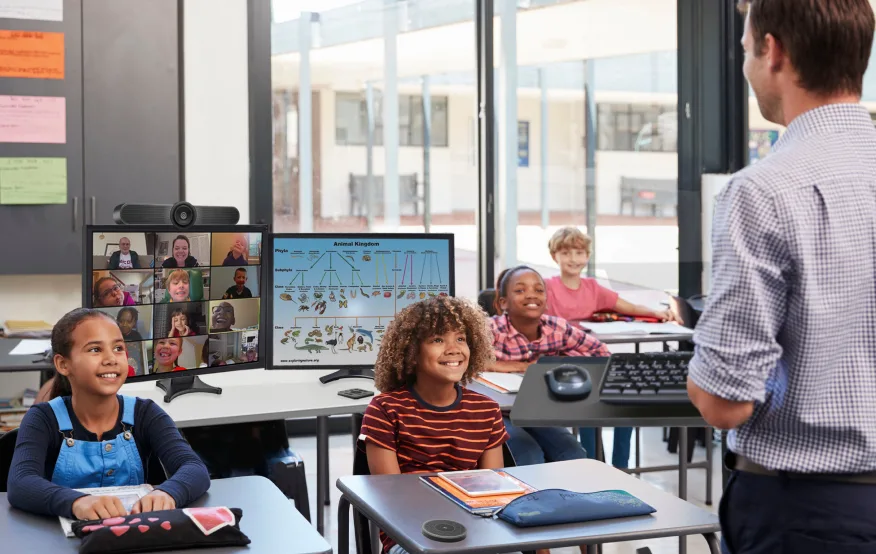
Key Features of a Classroom 30x Setup
So what actually makes a classroom “30x”? It’s not just one tool or feature.it’s a complete ecosystem.
1. Smart Technology Integration
Technology is at the heart of classroom 30x. This includes:
- Interactive whiteboards
- Tablets or laptops for students
- Cloud-based learning platforms
- Real-time assessment tools
These tools allow teachers to present lessons in a more dynamic way, while students can interact directly with the content.
2. Flexible Seating Arrangements
Gone are the days of rigid rows of desks. Classroom 30x embraces flexibility:
- Modular desks and chairs
- Standing workstations
- Collaboration zones
- Quiet corners for focused study
This setup supports different learning styles and encourages movement and interaction.
3. Collaborative Learning Environment
Instead of individual learning only, classroom 30x promotes teamwork.
Students can:
- Work on group projects
- Share ideas in real time
- Use digital collaboration tools
- Present their work easily
This mirrors real-world work environments, where collaboration is key.
4. Data-Driven Teaching
One of the most powerful aspects of classroom 30x is its ability to collect and analyze data.
Teachers can:
- Track student performance instantly
- Identify learning gaps
- Adjust lessons accordingly
- Provide personalized feedback
This makes teaching more effective and targeted.
Benefits of Classroom 30x for Students
Let’s be honest—students benefit the most from this transformation.
Here’s how:
- Improved focus: Interactive lessons reduce boredom
- Better understanding: Visual and hands-on learning boosts comprehension
- Increased confidence: Students participate more actively
- Skill development: Tech skills, communication, and teamwork
Students aren’t just memorizing information.they’re actually learning how to learn.
Benefits for Teachers
Teachers also gain a lot from .
- Easier lesson planning with digital resources
- Instant feedback on student performance
- More engagement from students
- Better classroom management
Instead of spending time on repetitive tasks, teachers can focus on creativity and connection.
Challenges of Implementing Classroom 30x
Of course, no system is perfect. does come with some challenges.
Cost
Setting up a tech-driven classroom can be expensive. Schools need to invest in:
- Devices
- Software
- Infrastructure
Training
Teachers need proper training to use new tools effectively. Without it, technology can become more of a burden than a benefit.
Accessibility
Not all students may have equal access to technology outside the classroom, which can create gaps.
How Schools Can Successfully Adopt
If schools want to make the shift, they need a clear strategy.
Here are some practical steps:
- Start small: Introduce one or two tools first
- Train teachers: Provide ongoing professional development
- Focus on students: Choose tools that enhance learning, not distract
- Evaluate regularly: Measure what works and what doesn’t
The goal isn’t just to add technology—it’s to improve education.
Classroom 30x vs Traditional Classrooms
Let’s compare the two to understand the difference better.
| Traditional Classroom | Classroom 30x |
|---|---|
| Teacher-centered | Student-centered |
| Static learning | Interactive learning |
| Fixed seating | Flexible layouts |
| Limited tech | Advanced technology |
| One-size-fits-all | Personalized learning |
The contrast is clear. is designed for the modern world.
Real-Life Examples of Classroom 30x in Action
Many schools around the world are already adopting this model.
You’ll find classrooms where:
- Students use tablets to complete assignments
- Teachers conduct live polls during lessons
- Groups collaborate on digital whiteboards
- Lessons include videos, simulations, and real-time quizzes
These aren’t futuristic ideas—they’re happening right now.
The Future of Classroom 30x
Looking ahead, is only going to get more advanced.
We can expect:
- AI-powered learning assistants
- Virtual reality classrooms
- Fully personalized education paths
- Global collaboration between students
Education is no longer limited to four walls—it’s becoming a connected, dynamic experience.
FAQs About Classroom 30x
1. What does classroom 30x mean?
refers to a modern learning environment that integrates technology, flexible design, and interactive teaching methods to enhance education.
2. Is classroom 30x expensive to implement?
Yes, it can be costly initially due to technology and infrastructure, but long-term benefits often outweigh the investment.
3. Do students need special devices for classroom 30x?
Most setups use tablets or laptops, but schools can adapt based on their resources.
4. Can traditional schools transition to classroom 30x?
Absolutely. Schools can gradually adopt features instead of making a full transformation at once.
5. Does improve academic performance?
In many cases, yes. Increased engagement and personalized learning often lead to better outcomes.
6. Is suitable for all age groups?
Yes, but the tools and methods may vary depending on the age and learning level of students.
Final Thoughts
the isn’t just a trend.it’s a glimpse into the future of education. It redefines how students learn and how teachers teach. While there are challenges, the benefits are hard to ignore.
If you’re passionate about education, technology, or innovation, this is something worth paying attention to. The classroom is no longer just a place—it’s an experience.