
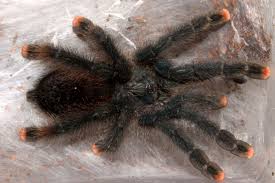
If you’ve ever considered keeping a tarantula as a pet but felt a bit intimidated, let me introduce you to a fascinating and beginner-friendly species.the Pink Toe Tarantula.
Despite their somewhat scary reputation, these spiders are surprisingly calm, beautiful, and even enjoyable to observe. With their unique pink-tipped feet and gentle nature, they’ve become a favorite among both new and experienced tarantula keepers.
So, what makes the pink toe tarantula so special? And is it the right pet for you?
Let’s dive in.
What Is a Pink Toe Tarantula?
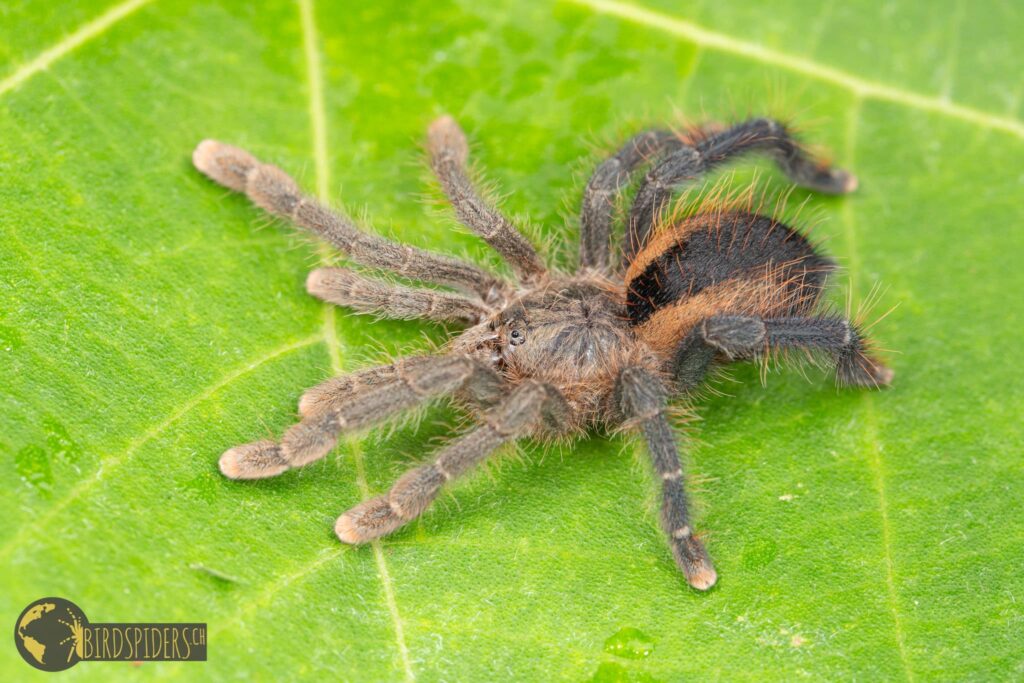
The pink toe tarantula, scientifically known as Avicularia avicularia, is a type of arboreal (tree-dwelling) spider.
Key Characteristics:
- Black or dark brown body
- Distinct pink or orange tips on their feet
- Slender legs compared to other tarantulas
- Fast and agile movement
They’re native to tropical regions in South America, where they live in trees and create silk retreats.
Natural Habitat and Behavior
Understanding where they come from helps you care for them properly.
Native Regions:
- Rainforests of South America
- Countries like Brazil, Guyana, and Suriname
Behavior Traits:
- Arboreal (prefer vertical spaces)
- Nocturnal (active at night)
- Generally docile but quick
Unlike ground-dwelling tarantulas, pink toes love to climb.
Why Pink Toe Tarantulas Are Popular Pets
There’s a reason these spiders are often recommended for beginners.
Top Reasons:
- Calm temperament
- Beautiful appearance
- Relatively easy care
- Less aggressive compared to other species
They’re also less likely to bite, preferring to escape instead.
Pink Toe Tarantula Care Guide
Taking care of a tarantula isn’t as complicated as it sounds.but it does require attention to detail.
Enclosure Setup
Since they’re arboreal, their enclosure should reflect that.
Ideal Setup:
- Tall tank (more height than width)
- Good ventilation
- Branches or cork bark for climbing
- Soft substrate at the bottom
Temperature and Humidity
These spiders thrive in warm, humid environments.
Recommended Conditions:
- Temperature: 24–28°C
- Humidity: 65–75%
Mist the enclosure lightly to maintain humidity.but avoid overdoing it.
Feeding Habits
Pink toe tarantulas are carnivores.
Common Foods:
- Crickets
- Roaches
- Small insects
Feed them once or twice a week, depending on their size.
Handling: Should You Do It?
Here’s the honest answer.not really.
While they’re docile, they are:
- Fast
- Fragile
- Easily stressed
It’s better to enjoy watching them rather than handling them frequently.
Lifespan and Growth
Lifespan:
- Females: Up to 10 years
- Males: Around 3–4 years
Growth:
They molt (shed their exoskeleton) as they grow.
During this time:
- Avoid feeding
- Do not disturb them
Common Health Issues
Like any pet, they can face problems.
Watch Out For:
- Dehydration
- Poor molting
- Mold in enclosure
- Stress
Maintaining proper conditions is key to preventing issues
Pros and Cons of Owning a Pink Toe Tarantula
Pros:
- Low maintenance
- Quiet pet
- Unique and fascinating
- Doesn’t require much space
Cons:
- Not ideal for handling
- Requires humidity control
- Can be fast and jumpy
- Not very interactive
Beginner Tips for First-Time Owners
If you’re new, start simple.
Helpful Tips:
- Choose a properly sized enclosure
- Don’t overfeed
- Keep humidity stable
- Observe behavior regularly
Patience is your best tool.
My Personal Take
If you’re someone who enjoys observing rather than interacting, the pink toe tarantula is a fantastic pet.
They’re calm, beautiful, and surprisingly low-stress to care for.once you understand their needs.
FAQs About Pink Toe Tarantulas
1. Are pink toe tarantulas dangerous?
No, they are generally harmless and rarely bite.
2. Can you handle a pink toe tarantula?
It’s not recommended due to their speed and fragility.
3. What do pink toe tarantulas eat?
They eat insects like crickets and roaches.
4. How long do they live?
Females can live up to 10 years.
5. Are they good for beginners?
Yes, they are one of the best beginner tarantulas.
Final Thoughts
The Pink Toe Tarantula is a perfect mix of beauty and simplicity.
It’s not a pet you cuddle.but it’s one you can truly appreciate.
And sometimes, that’s even better.
Image Prompts for Pink Toe Tarantula
1.
A realistic macro photography image of a pink toe tarantula on a tree branch, showing pink-tipped legs clearly, natural rainforest background, 16:9 aspect ratio, include text “https://nusenda.co.uk/”
2.
A terrarium setup with a pink toe tarantula climbing branches, realistic lighting, detailed enclosure, 16:9 aspect ratio, include text “https://nusenda.co.uk/”
3.
A close-up shot of a tarantula feeding on an insect, realistic macro style, natural lighting, 16:9 aspect ratio, include text “https://nusenda.co.uk/”
4.
A rainforest-inspired habitat with mist and greenery featuring a pink toe tarantula, realistic photography, 16:9 aspect ratio, include text “https://nusenda.co.uk/”
5.
A calm indoor pet setup with a tarantula enclosure on a desk, modern home environment, realistic photography, 16:9 aspect ratio, include text “https://nusenda.co.uk/”
Article 2: Hoobly
SEO Title: Hoobly Guide: Pet Listings & Safety Tips
Meta Description: Learn how Hoobly works for pet listings and classifieds. Discover features, pros, cons, and safety tips for using Hoobly safely.
Hoobly Guide: Pet Listings & Safety Tips
If you’ve ever searched for pets or local deals, you’ve likely come across Hoobly.
It’s simple, direct, and widely used.but it comes with both benefits and risks.
What Is Hoobly?
Hoobly is a classifieds platform where users can:
- Buy and sell items
- Find pets
- Offer services
Why It’s Popular
- Easy to use
- Free listings
- Strong pet category
Pros and Cons
Pros:
- Simple platform
- Great for pet searches
Cons:
- Limited moderation
- Risk of scams
Safety Tips
- Meet in public
- Verify sellers
- Avoid upfront payments
FAQs
1. Is Hoobly free?
Yes.
2. Is it safe?
With caution.
3. Can I sell items?
Yes.
4. Are scams possible?
Yes.
5. Is it good for pets?
Yes, but verify listings.
Final Thoughts
Hoobly is useful.but requires careful use.