
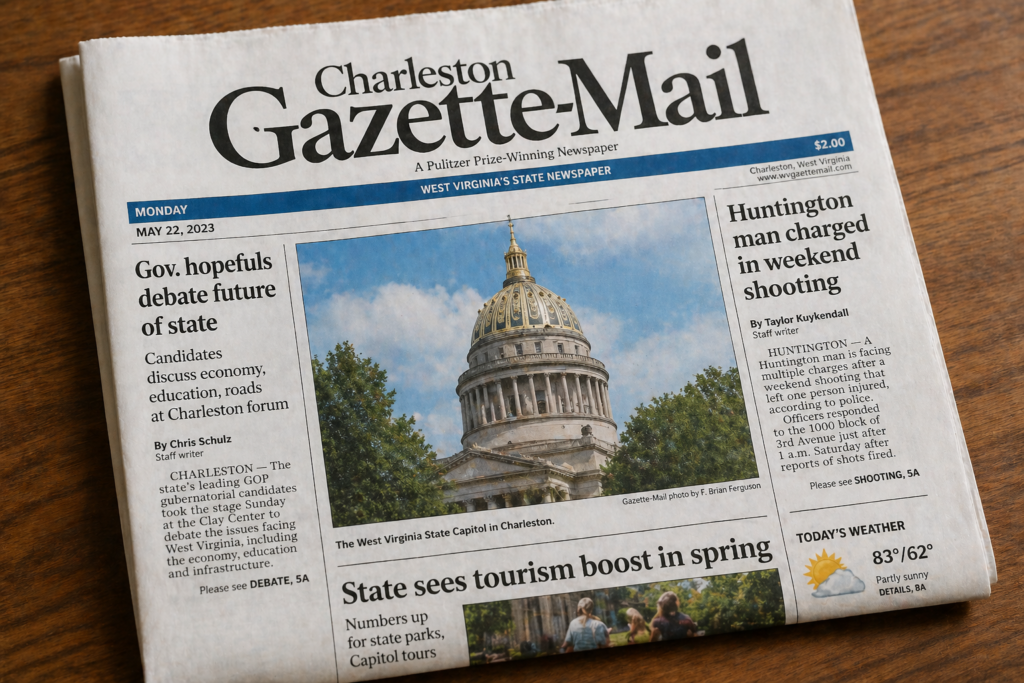
If you’ve ever explored American journalism, chances are you’ve come across the name Charleston Gazette. It’s more than just a newspaper.it’s a reflection of history, community voice, and the evolution of media over decades.
In today’s fast-paced digital world, where news is consumed in seconds, it’s fascinating to look back at institutions like the Charleston Gazette and understand how they shaped the way we receive information today. Whether you’re a journalism enthusiast, a researcher, or just curious, this guide will walk you through everything you need to know.
The Origins of Charleston Gazette
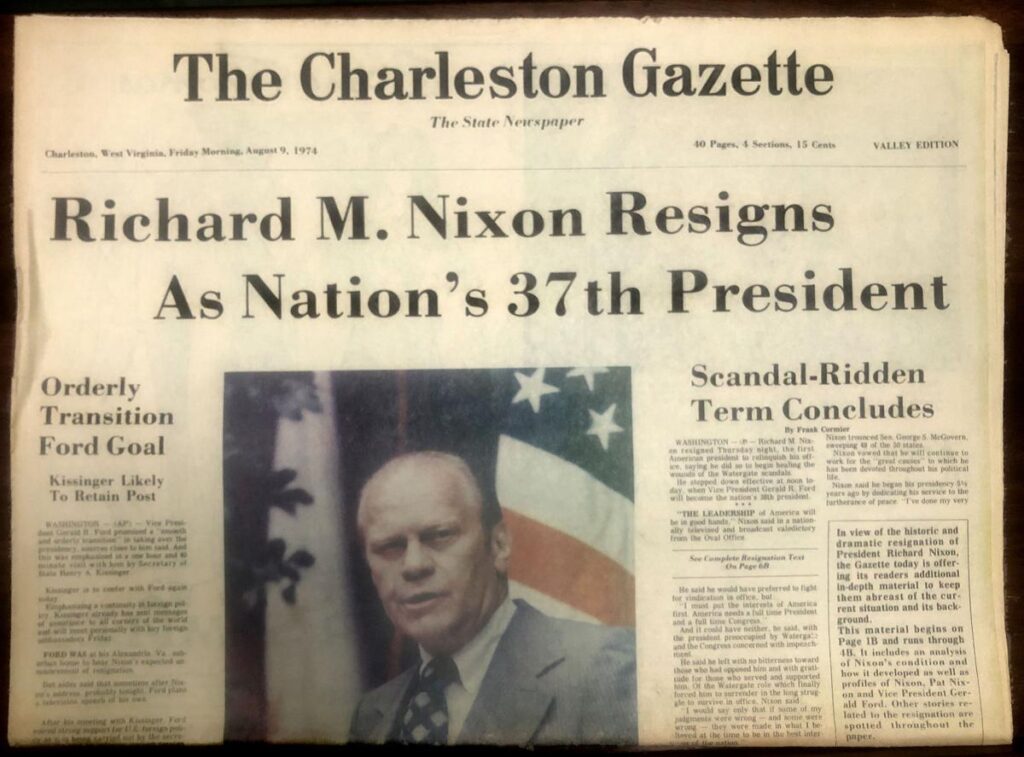
The has deep roots in American journalism, dating back to the late 19th century. Founded in Charleston, West Virginia, it quickly became a trusted source of local and national news.
What made it stand out early on?
- A strong commitment to investigative journalism
- Focus on community issues
- Independent editorial voice
- Consistent publication during major historical events
Over time, the newspaper built credibility by covering everything from political developments to social issues affecting everyday people.
Growth and Influence Over the Years
As the years passed, the Charleston Gazette didn’t just survive.it thrived. It became one of the most influential newspapers in West Virginia.
Key Factors Behind Its Growth
- Strong editorial leadership: Editors who prioritized truth and transparency
- Community engagement: Reporting that reflected local voices
- Award-winning journalism: Recognition for investigative work
The paper earned numerous accolades, especially for uncovering corruption and addressing public concerns. That level of dedication helped it build a loyal readership.
The Merger and Transformation
One of the biggest turning points in the Charleston Gazette’s history came when it merged with another major newspaper, forming the-Mail.
This merger was driven by:
- Declining print revenue
- Rise of digital media
- Need for resource consolidation
While some readers were nostalgic about the original identity, the merger ensured the continuation of quality journalism in the region.
Transition to Digital Media
Like many traditional newspapers, the Charleston Gazette had to adapt to the digital age. And it did.gradually but effectively.
What Changed in the Digital Era?
- Online news portals replaced print-first strategies
- Breaking news became real-time
- Multimedia storytelling (videos, images, podcasts) gained importance
- Social media became a key distribution channel
Today, readers can access stories instantly from their phones, something unimaginable during the newspaper’s early days.
Why Charleston Gazette Still Matters
Even in a world dominated by global media giants, local journalism plays a crucial role. The Charleston Gazette remains important for several reasons:
Local Accountability
It keeps local governments and institutions in check by reporting on issues that larger outlets might overlook.
Community Representation
Stories reflect real people, real struggles, and real achievements.
Reliable Information
In an age of misinformation, trusted sources like the Gazette provide verified news.
Challenges Faced by Traditional Newspapers
The journey hasn’t been easy. The Charleston Gazette, like many newspapers, has faced significant challenges:
- Declining print subscriptions
- Reduced advertising revenue
- Competition from digital platforms
- Changing reader habits
Despite these obstacles, it has managed to stay relevant by evolving with the times.
The Role of Journalism in Society
To truly understand the importance of the Charleston Gazette, you need to look at the bigger picture.journalism itself.
Good journalism:
- Informs citizens
- Encourages critical thinking
- Holds power accountable
- Preserves history
The Gazette has contributed to all of these aspects over the years, making it more than just a news outlet.
What Readers Can Learn from Charleston Gazette
If you’re a reader—or even an aspiring writer—there’s a lot to learn from the Gazette’s journey.
Lessons Worth Noting
- Consistency matters: Long-term trust comes from reliable reporting
- Adaptability is key: Surviving in changing environments requires flexibility
- Community focus wins: Local stories resonate deeply
- Integrity builds reputation: Honest journalism stands the test of time
The Future of Charleston Gazette
So, what lies ahead?
The future of the Charleston Gazette will likely continue to revolve around digital innovation while maintaining its core journalistic values.
Expected Trends
- Increased mobile-first content
- Subscription-based models
- Data-driven journalism
- Interactive storytelling
The challenge will be balancing modern technology with traditional credibility.and that’s where its legacy becomes a strength.
FAQs About Charleston Gazette
What is the Charleston Gazette known for?
The Charleston Gazette is known for its strong investigative journalism, community-focused reporting, and long-standing presence in West Virginia media.
Is the Charleston Gazette still active today?
Yes, it continues to operate as part of the Charleston Gazette-Mail, adapting to digital platforms while maintaining its journalistic standards.
Why did the Charleston Gazette merge?
The merger happened due to financial challenges, including declining print revenue and the need to compete in a digital-first media landscape.
How has it adapted to digital media?
It has embraced online publishing, real-time news updates, and multimedia content to stay relevant in today’s fast-paced environment.
Why is local journalism important?
Local journalism keeps communities informed, holds local authorities accountable, and ensures that smaller, important stories are not ignored.
Final Thoughts
The Charleston Gazette isn’t just a newspaper.it’s a piece of living history. From its early days of print dominance to its current digital evolution, it represents resilience, adaptability, and the enduring power of journalism.
In a time when news is everywhere but trust is rare, institutions like the Charleston Gazette remind us why credible reporting still matters. And honestly, that’s something worth paying attention to.